
How Talexio Is Supporting Clients Through the EU Pay Transparency Directive: Four Practical Steps to Take Today
The corporate landscape across Europe is undergoing a major shift with the arrival of the EU Pay Transparency Directive (2023/970). For employers in Malta, this transition has officially become active following the publication of Legal Notice 173 of 2026, also known as Malta’s Equal Pay (Transparency and Reporting) Regulations 2026.
As this new regulatory framework completely transposes the directive, core pay transparency rules are now live for all local employers, with mandatory gender pay gap reporting coming into effect for organisations with 150 or more employees starting on 7th June 2027. Employers should therefore take decisive action immediately to align with these active mandates rather than wait.
Talexio is actively building and expanding its HR toolkit to help you move away from manual spreadsheets, centralise your pay and maintain compliance under the new active laws ahead of upcoming regulatory deadlines. Here is what you need to know about the new requirements and how the platform supports your transition.
Proactive Software Updates for Evolving Regulatory Demands
Talexio’s existing Salary Scales and unified Benefits and Perks functionality already give our clients a substantial head start. By embedding these regulatory requirements directly into your daily HR ecosystem, we help you seamlessly manage employees’ rights to pay information, including the right to request and receive information in writing, on their individual pay level and the average pay levels for categories of workers performing the same work as them.
This integration directly helps to safeguard your business against severe consequences, such as increased statutory fines and costly employee claims for full back pay, bonuses and damages.
Simplifying Compliance with Advanced Remuneration Tools
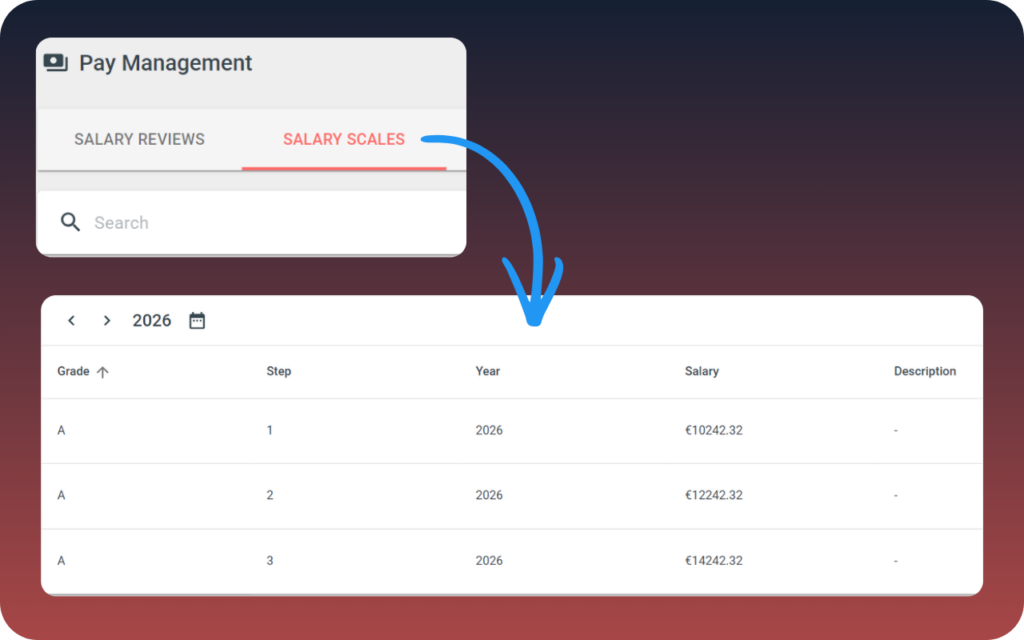
To ensure our clients stay ahead of the curve, we have rolled out immediate updates within the platform to streamline your workflows. We have completely reorganised our Pay Management ecosystem, placing Salary Reviews and Salary Scales into a single, cohesive section to deliver an intuitive administrative experience.
This consolidated structure allows HR professionals to maintain absolute visibility over compensation boundaries across the entire organisation.
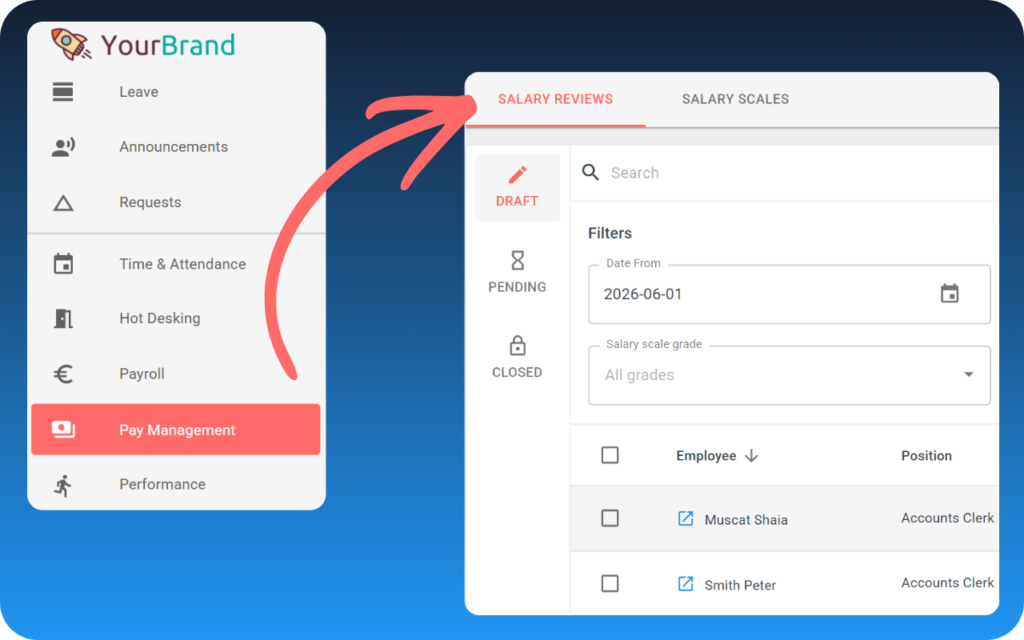
Furthermore, Talexio now captures standard and per-employee perks as explicit monetary values, ensuring a complete, uncompromised view of total remuneration.
To reinforce this structured approach, we will launch our integrated Point-Factor Analysis Tool by the end of July 2026 within the Pay Equity section, enabling your teams to define explicit factors and sub-factors to evaluate and grade positions objectively based on their intrinsic value.
Additionally, our dedicated Pay Equity reporting tool will be available by the end of June 2026, delivering automated analytics on average and median pay for identical roles or salary scales. By utilising robust data normalisation and statistical testing aligned directly with EU standards, this tool simplifies internal auditing and helps you identify pay gaps early.
Four Practical Steps Employers Can Take Today to Prepare
To ensure a smooth transition ahead of compliance deadlines, organisations can immediately focus on refining and cleaning up their internal data systems:
- Organise your job architecture: Clean up inconsistent job titles and group similar roles into clear levels structured around the four statutory pillars of skills, effort, responsibility and working conditions. Keep in mind that Regulation 5 explicitly mandates that all employers with 25 or more workers must maintain clearly documented pay criteria.
- Audit your actual pay: Map out every part of employee compensation governed by Regulation 2, not just basic salaries. Include overtime, bonuses, allowances, commissions and benefits in kind, and leverage Talexio’s upcoming Pay Equity reporting feature to seamlessly calculate accurate average and median pay figures for each role.
- Choose your evaluation model: Select an objective, gender-neutral framework to prove your pay is fair. We recommend using the Point-Factor System Excel template provided on page 5 of our updated client guide to score roles based on job requirements rather than individual traits while you prepare for full system integration.
- Pilot and Launch: Do not try to change the entire company at once. Pick two departments to test your job families and grading logic, making sure your objective role classifications hold up accurately before deploying the model on a full scale.
Clear Advantages: Why Talexio is Your Best Partner for Pay Equity
The true benefit of utilising Talexio lies in our ability to turn a complex statutory obligation into an operational opportunity. Our platform removes the need for manual spreadsheets, reducing the risk of human error when processing sensitive compensation data.
By delivering continuous workforce insights and expanding your reporting features, Talexio provides deep visibility into your organisation’s overall pay health. This automated approach not only safeguards your business against costly compliance penalties but also strengthens your employer brand by demonstrating a verifiable commitment to workplace fairness.
Access the Complete Talexio Client Guide Today
HR leaders do not need to wait to begin adjusting their corporate infrastructure to meet these active legal notices. Download the full EU Pay Transparency – Client Guide by Talexio today to understand exactly what has changed, how to achieve full compliance, and how Talexio will support you through the transition.
Conclusion
Successfully transitioning into this new era of transparency relies entirely on having the right technology partner. By leveraging Talexio’s automated tools, your business can confidently adapt to active legal thresholds while fostering a workplace culture anchored in trust and equity.

About the author
At Talexio, Jonathan Camilleri works closely with legal advisors on employment compliance, including Malta’s pay-transparency obligations. He leads Talexio’s work on employee engagement measurement (Team Voice) and HR people-data. He reviews Talexio’s compliance content for accuracy.